Description
- Additional information
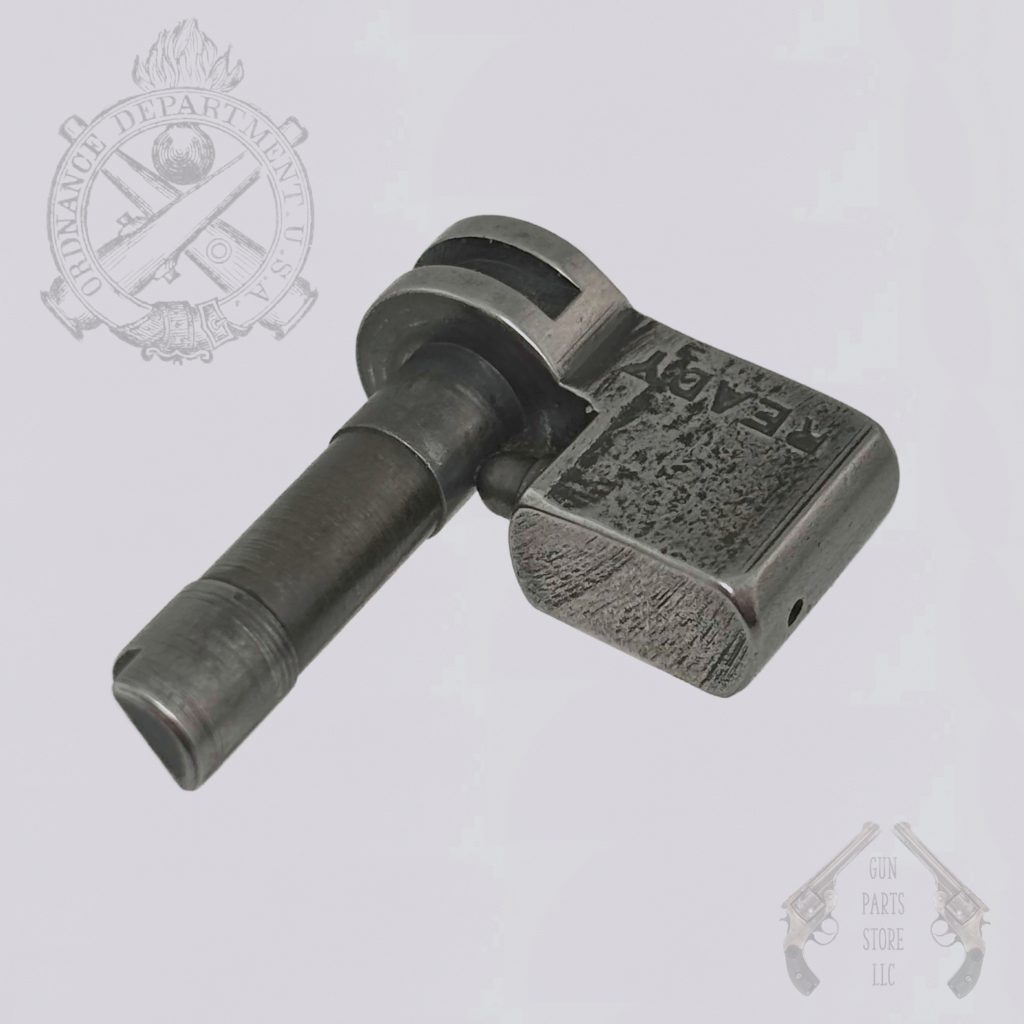
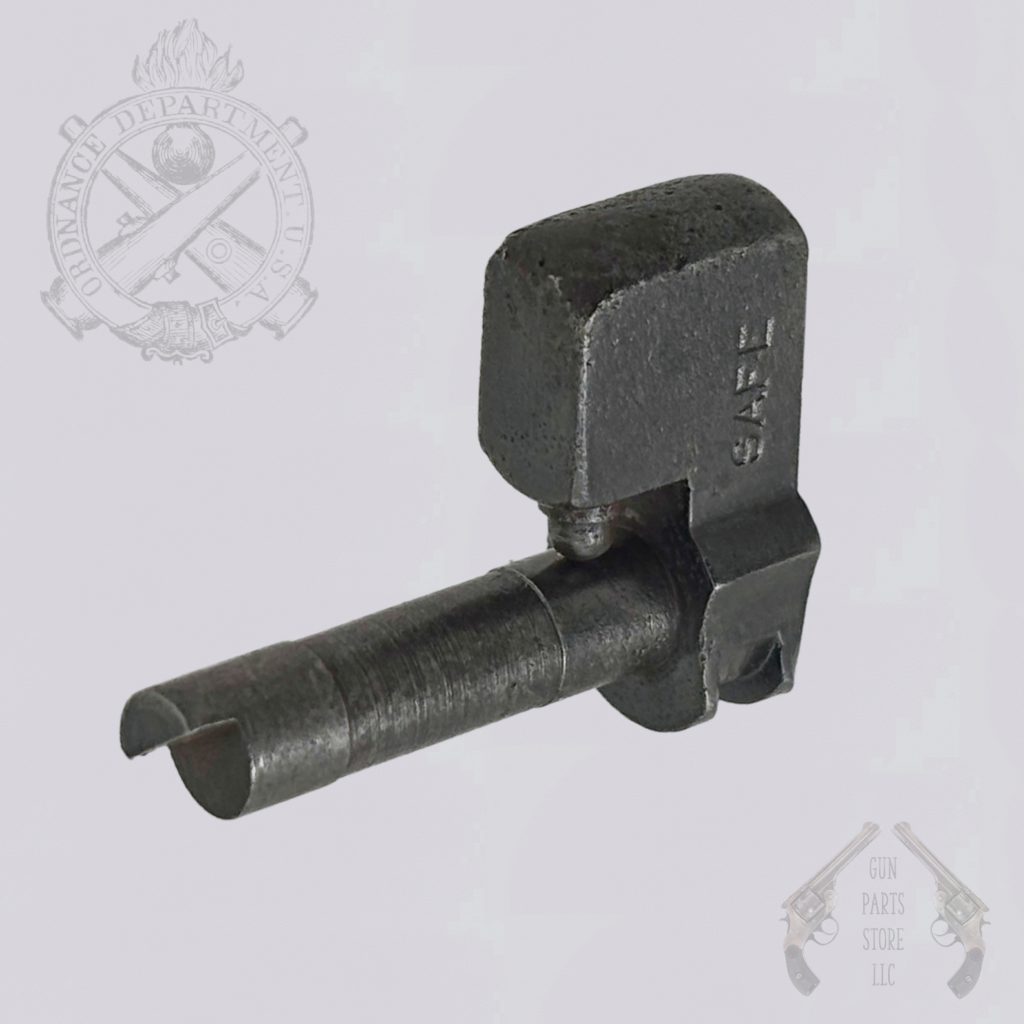
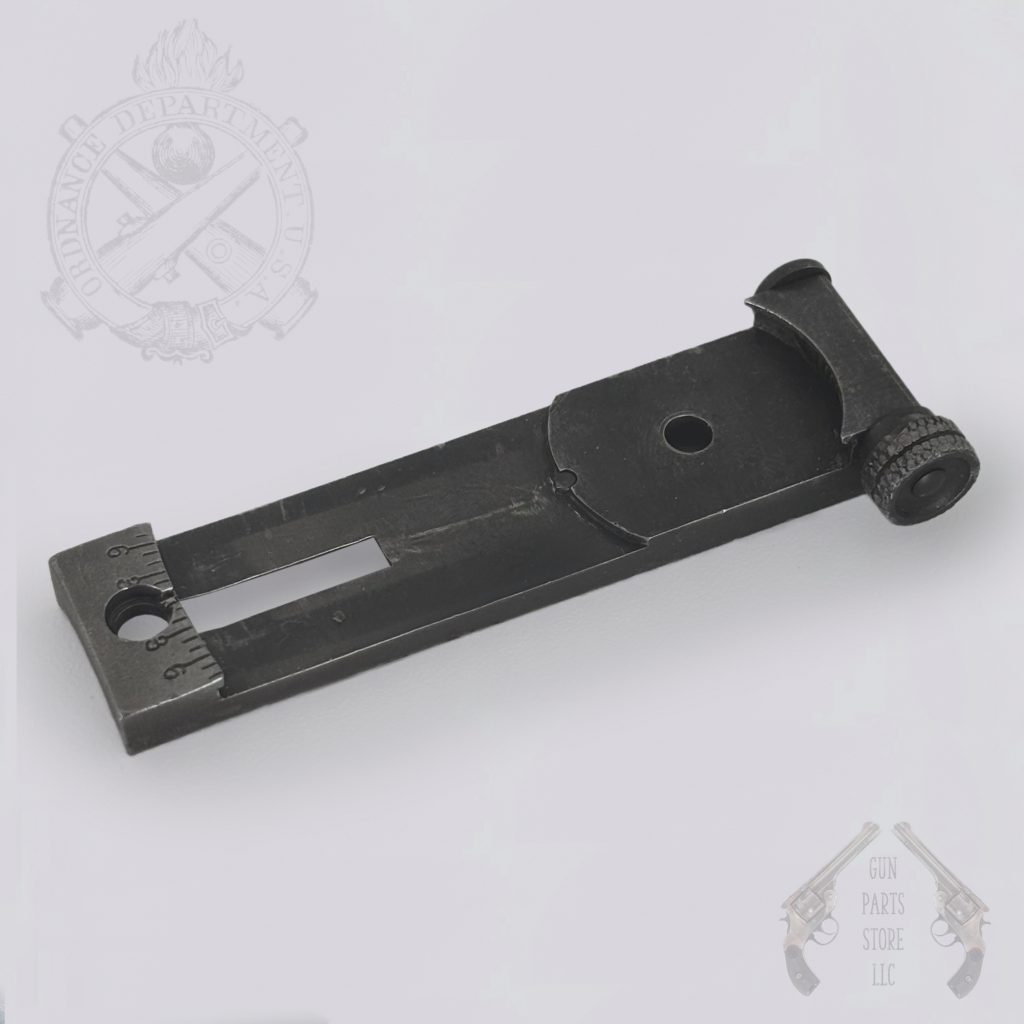
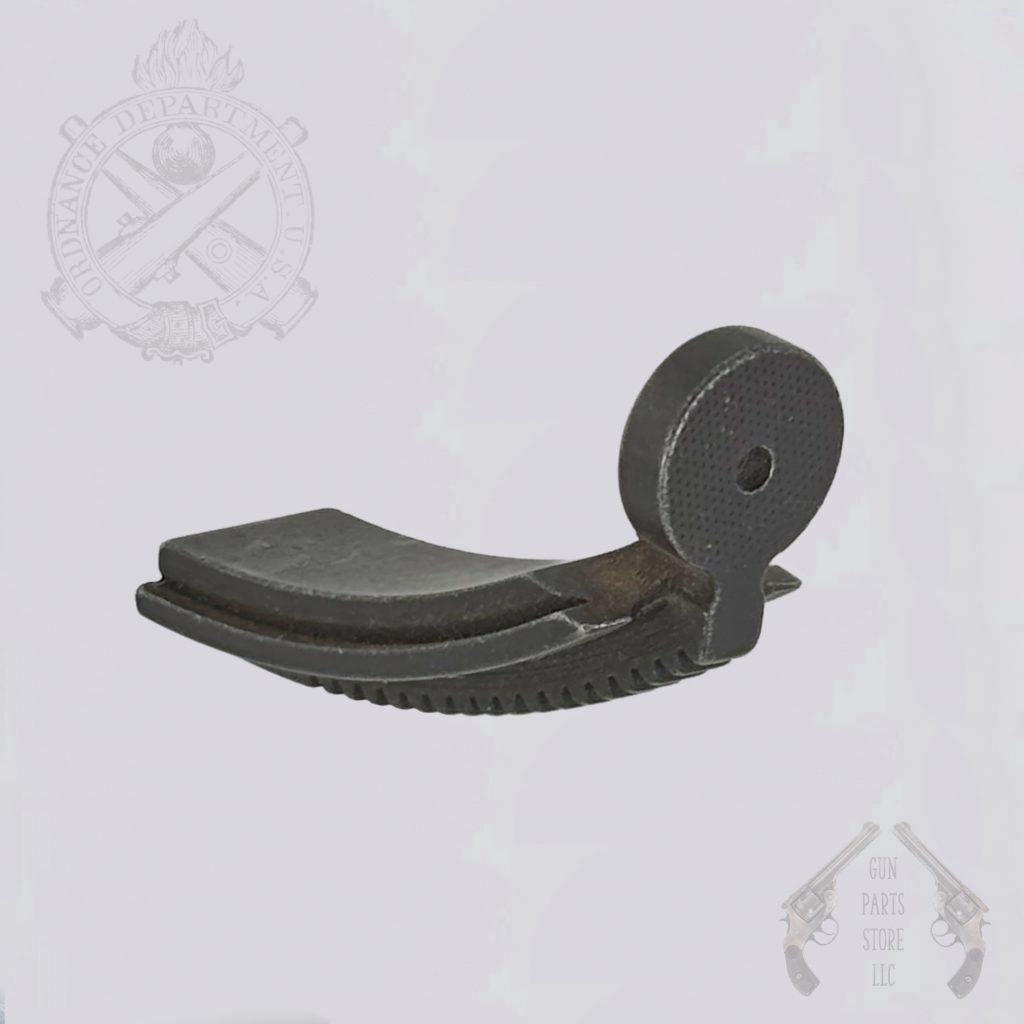
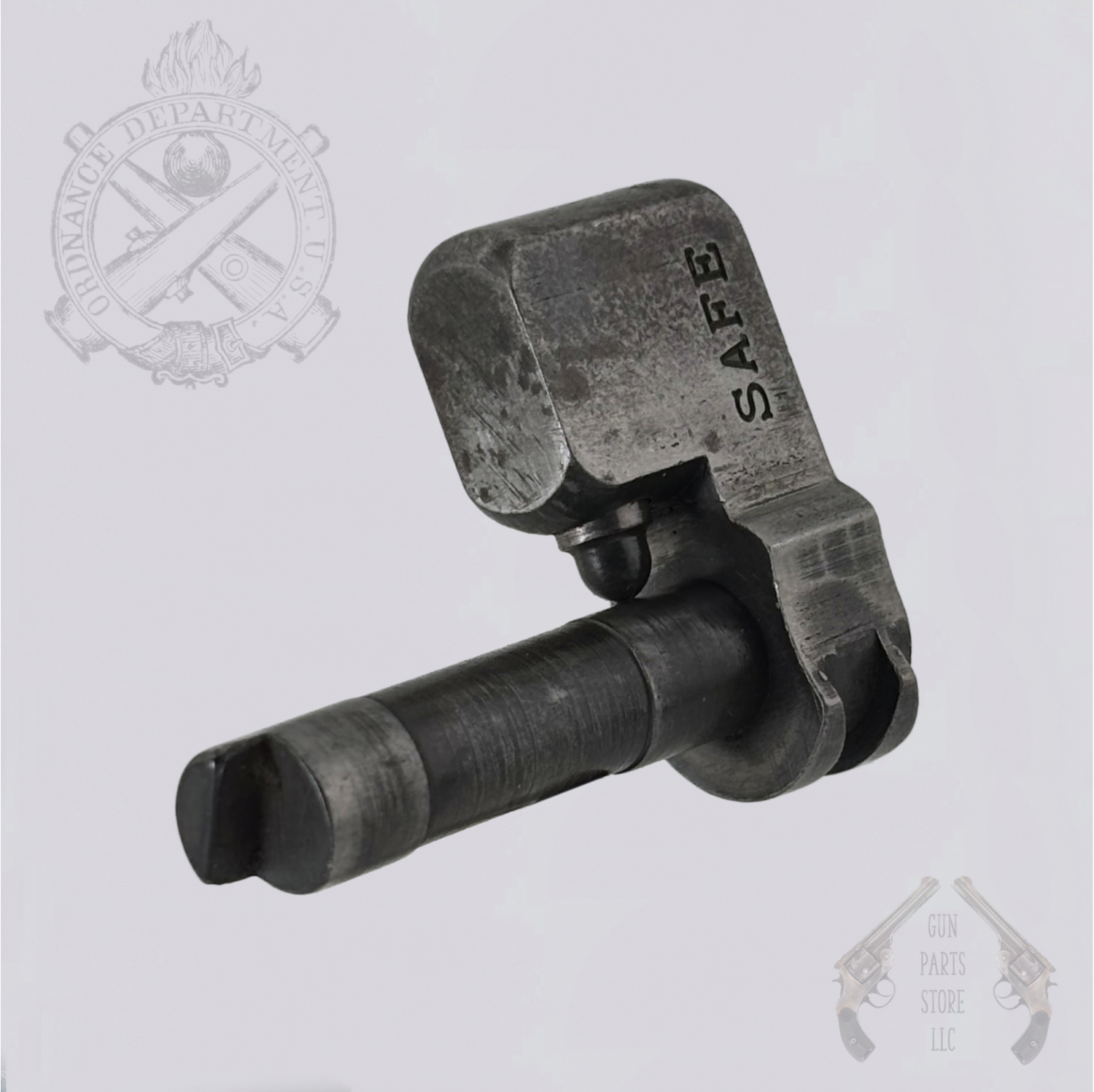
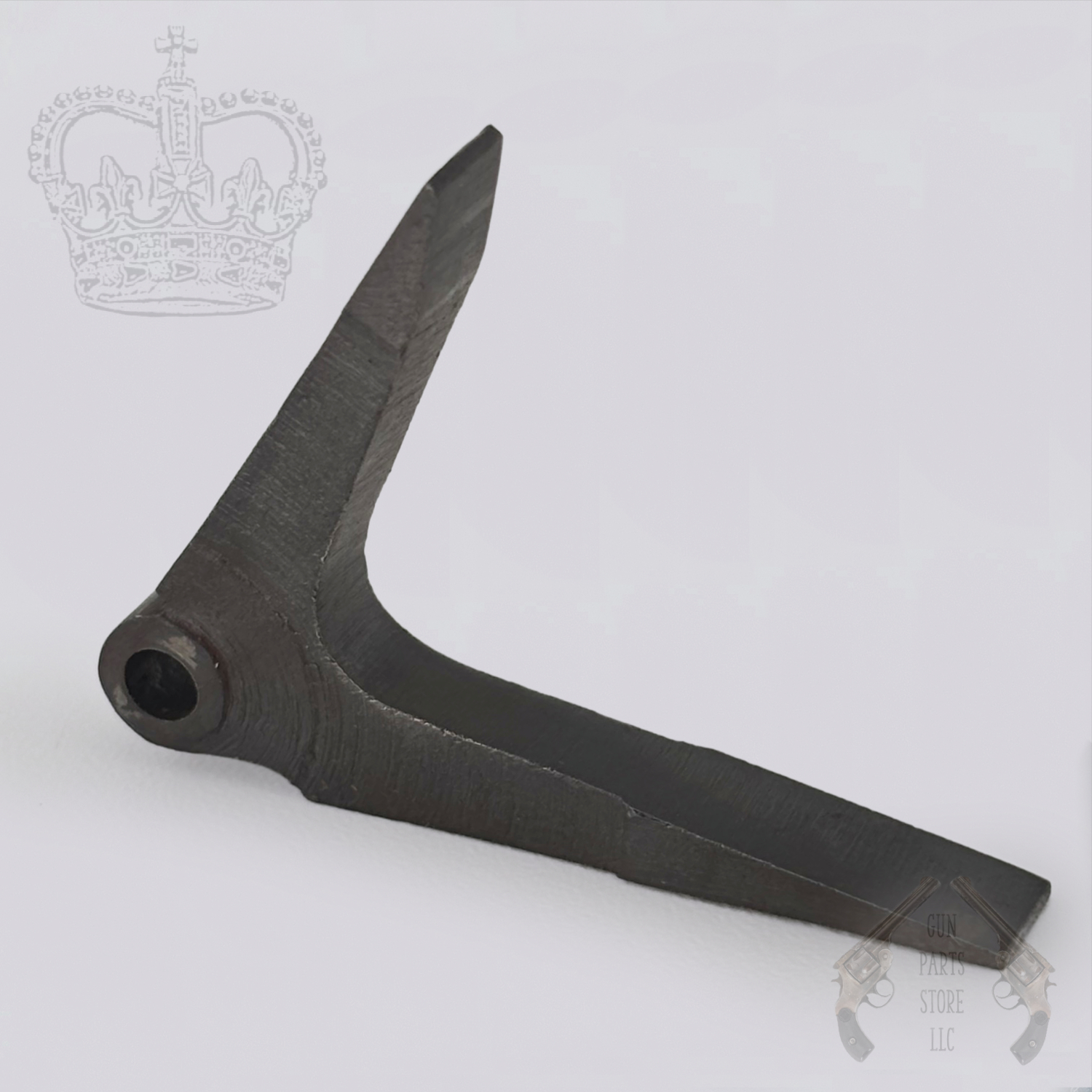
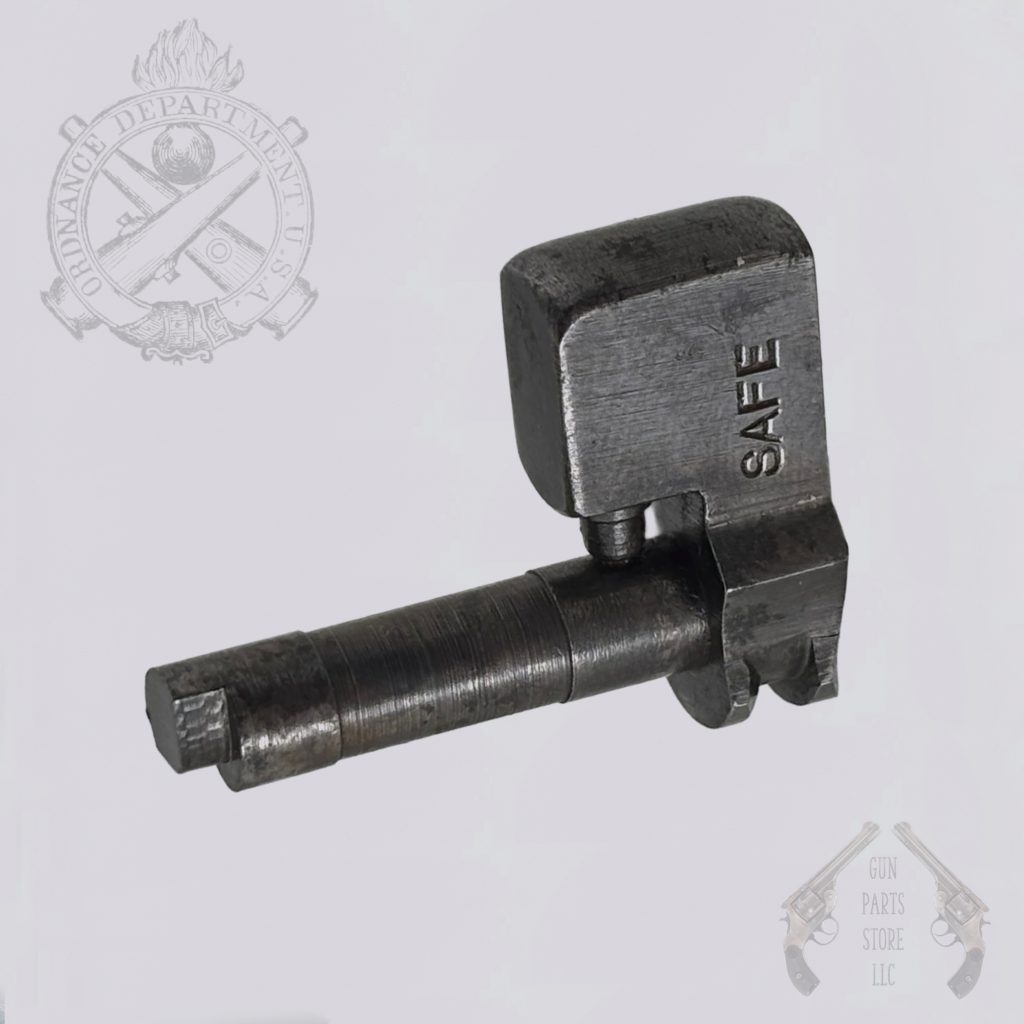
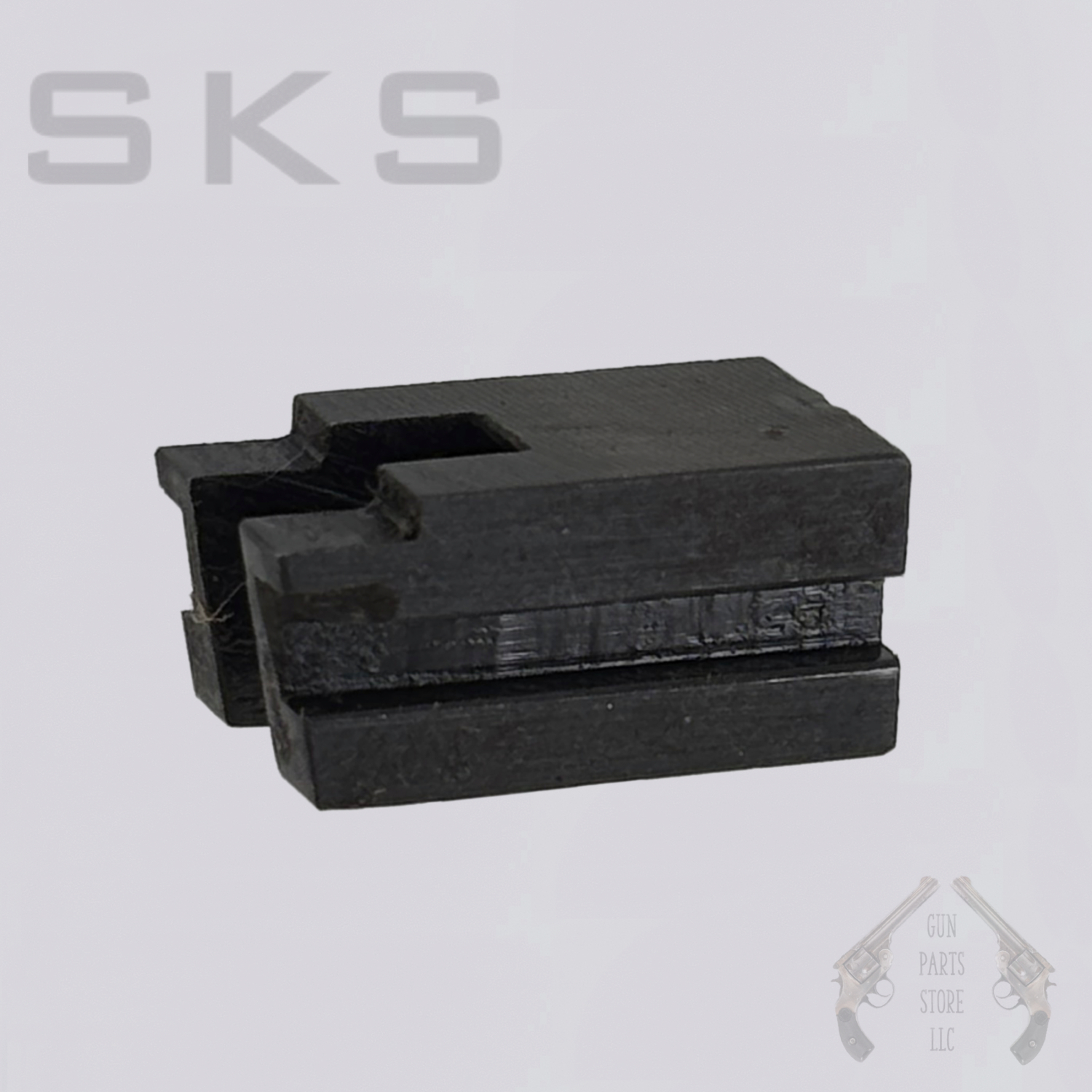
This is the SKS Sear, late pattern.
The SKS trigger housing changed during Soviet production around 1952. Soviet rifles from 1952 to the end of production, and every rifle built by every other country afterward, use the late arrangement. Only the earliest Soviet guns from 1949 to roughly 1952 use the early housing, and 1953 Soviet rifles turn up with both. Nothing on the sear itself is marked, so what governs fitment is the housing in your rifle, not the country on the receiver.
Measurements:
- Overall length: 0.732″
- Height: 0.351″
- Width: 0.385″
- Rail slot width: 0.090″
- Rail slot depth: 0.065″
The rail slots are what to check first. They ride the rails inside the trigger housing, and the housing is what changed between the early and late patterns. Compare them against the sear coming out of your rifle before ordering.
Included: Sear only, the exact part pictured.
Fits late-pattern trigger housings, found in:
- Soviet SKS, 1952 to the end of production
- Chinese Type 56
- Yugoslav M59, M59/66 and M59/66A1
- Romanian
- Albanian
- East German Karabiner-S
- North Korean Type 63
A note on cross-country fitting: SKS parts were built to the same design in a lot of different factories, and tolerances drifted. Minor hand fitting between countries is commonly reported, and one experienced source specifically warns that Yugoslav trigger group parts often will not drop into Chinese rifles. Treat the list above as where this pattern is found, not as a promise of a drop-in fit, and compare measurements before ordering across origins.
Does not fit: Early Soviet trigger housings, roughly 1949 to 1952. Those use a slightly different sear. If your rifle is an early Soviet gun, check which housing it has — some 1953 production went out with either.
Fitting: This is a fire control part and should be fit by a qualified gunsmith. Once installed, check sear engagement before the rifle goes back into use: with the top cover, bolt and carrier removed, cock the hammer and pull the trigger back slowly. The hammer should move slightly rearward before the sear releases. If the hammer does not move at all, or begins moving forward immediately, you do not have positive engagement and the rifle could fire if dropped with a round chambered. Do not load until it passes.
One other thing worth ruling out first: the SKS uses a free-floating firing pin, and a pin channel packed with dried cosmoline causes slam fires that get blamed on the sear. Clean the channel thoroughly before concluding the sear is your problem.
Please note: Buyer is responsible for verifying correct fit for their specific firearm. Installation should be performed by a qualified gunsmith. Please review all photos, as they are part of the description and show the actual item you will receive.
Condition: Used, in an even black finish across the whole part with no thinning, rust, pitting or chips. Machining marks from manufacture are still visible on the flats and inside the notch. The rail slots are clean and square with no burring or damage along their edges, and the notch corners are crisp with no rounding or peening. The body is straight and true.
Additional information
| Weight | 0.2 lbs |
|---|---|
| Dimensions | 7 × 5 × 0.5 in |
| Brand |
SKS |
| For Gun Make |
SKS |
| Model |
Soviet / Chinese / Yugo / Romanian / Albanian / German / N Korean |
| Gauge/Caliber |
7.62×39mm |
| For Gun Type |
Rifle |
| Country of Origin |
Russia |
| Color |
Blued Steel |
| Material |
Steel |